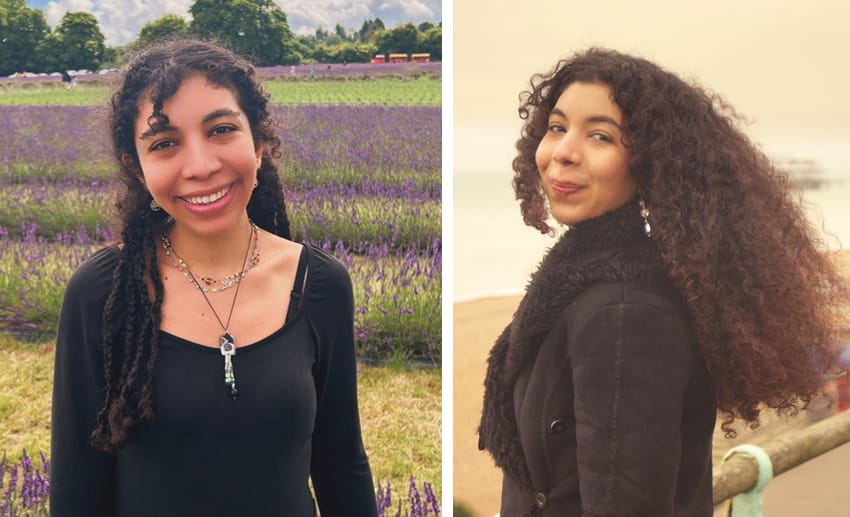
The following is a guest blog post by Anna:
On June 7th each year, I take a moment to pause and recognize the condition, which transformed my life – a condition that is invisible most of time until a hypo announces itself without warning. This rare condition, affects each of us differently, yet we are united in our determination to understand it and to support the ongoing efforts in medicine, diagnosis and care.
Hyperinsulinism (HI) is a condition where the pancreas overproduces insulin, causing blood sugar to be dangerously low. Unlike diabetes, where insulin is lacking, HI is defined by excess – and that excess can lead to confusion, seizures, unconsciousness, as well as long-term neurological damage. It is a condition that requires ongoing vigilance, yet it is often misunderstood or entirely dismissed.
My own story is proof of why awareness matters. Originally, I was misdiagnosed with epilepsy. I consider myself incredibly fortunate that I had parents who refused to accept the system’s limitations – who pushed, questioned, and advocated until I received the correct diagnosis. That diagnosis became the foundation for the care and support I required, and it is the reason I am here today.
Living with HI continues to be a journey of challenges and learning curves; I manage not only the cognitive load of monitoring my blood sugar but also the planning that shapes every part of my day – what I eat, how I work, and how I move through the world. I balance my relationships, my schedule, and my responsibilities around a condition that can surface at any moment. In addition, layered on top of this is the emotional weight of living with something that many clinicians still struggle to recognize. Unless someone knows me on a personal level, my HI remains invisible – and that invisibility can be isolating. This is why Hyperinsulinism Awareness Day matters; it brings our reality into the spotlight.
Currently, one of the most urgent challenges in HI care is the transition from pediatric to adult services. Children with HI often receive specialist-coordinated care. However, when you turn 18, you suddenly age out of that system, and you are expected to navigate adult services, which may have little or no understanding of the condition. As an adult with HI, I have limited contact with doctors. I find myself reading research articles and interpreting what I can, and lean heavily on the HI community for advice and support. For some people born with Hyperinsulinism, hypoglycemia does not disappear in adulthood – and our care should not either.
For me, awareness is more than just a symbol; it is an opportunity to educate, to build and strengthen community, and to highlight the systemic gaps that urgently require attention. Awareness reminds us that rare conditions deserve robust, equitable care and that research, policy change and clinical recognition are not luxuries, but necessities. Visibility is the initial step towards achieving accountability.
In order to construct a safer, fairer future for individuals with HI, we require national adult HI pathways that clearly define where patients go and who is responsible. We need specialist training for clinicians, especially in emergency and adult endocrinology settings. We need research funding to better understand the long-term outcomes throughout the life course. We need structured transition planning that does not leave young people feeling unsupported. We also need policy recognition that for some, HI is a lifelong condition and therefore can require lifelong care. The changes are achievable, but only if the need is seen, understood, and prioritized.
Global efforts like the Hyperinsulinism Global Registry (HIGR) are already helping to close critical knowledge gaps by capturing realworld patient experiences and strengthening the evidence base for better care. I am proud to serve as an ambassador for this work, helping ensure that the voices of both children and adults with HI are represented and heard.
Ultimately, Hyperinsulinism Awareness Day is about people; those who monitor, plan, adapt, and persevere. It is for those who navigate a condition that is rare, complex, and often misunderstood. It is for those who deserve care that is safe, informed, and continuous – not just in childhood but also throughout their lives.
Let today be a reminder that our stories matter, our safety matters, and our future matters — and that with awareness comes the possibility of change.