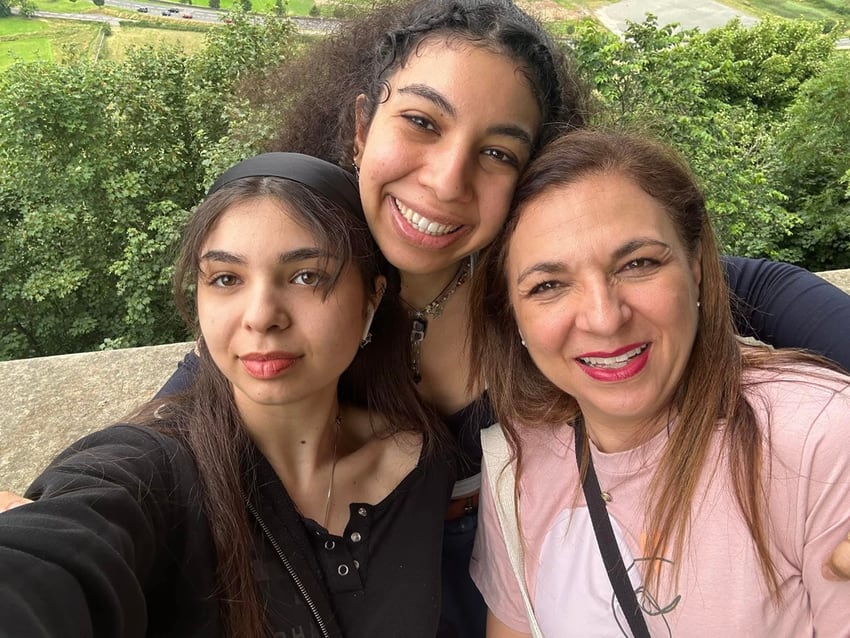
The following is a guest blog post by Anna:
Reflections on the Congenital Hyperinsulinism International Community: Why the family conferences matter
This year, I was not able to attend the annual family conference in France, and although I was away, I felt deeply connected to the conversations and meetings that occurred. These conferences have helped me shape and evolve my understanding of what it truly means to live with HI across the life course, as living with this condition is a lifelong reality that continues to challenge and teach me on a daily basis.
Congenital Hyperinsulinism International (CHI) has been more than just a patient-led organization; it is a space where families, researchers, clinicians, and adults with HI come together as one to discuss the past, the present, and the future of this complex and rare condition. Even from afar, I felt the momentum of this year’s meeting; the shared ongoing commitment to improving diagnosis, strengthening treatment pathways, and recognizing the long-term needs of those who live with HI into their adulthood.
For me, CHI represents a sense of belonging, and the conferences offer the rare experience of being understood without having to explain every detail surrounding my journey. Being at conferences reminds me of the collective courage of those who advocate for better care, not only for themselves, but also for the members of the next generation. Finally, these international meetings reflect the power that lived experiences hold. Our experiences do not just influence clinical practice, but they can shape research priorities, and they remind the medical community that HI does not just “end” after childhood.
Each conference, whether I am present or watching from a distance, reinforces the same truth; progress in HI research occurs when we listen to each other, learn from each other, and create systems that reflect the realities of our lives. These meetings remind me that meaningful change does not come from isolated breakthroughs but from the collective wisdom of families, clinicians, researchers, and adults who carry HI into every stage of life. They show how powerful it is when evidence and lived experience sit side by side, when data is shaped by the people it represents, and when conversations acknowledge not only the science of HI but the emotional, practical, and lifelong dimensions of living with it. Even from afar, I feel the strength of a community that refuses to let adult needs remain invisible, and that continues to push for care models grounded in truth, compassion, and long-term understanding.
I remain deeply committed to the work of the HI Global Registry (HIGR) — a research initiative that ensures our stories, especially those of adults, are finally being captured, counted, and recognized as essential to understanding HI and future research. As discussions continue to unfold in person, I am grateful to contribute to a registry that is building the data foundation the HI community has needed for decades: a rigorous, global resource that documents realworld experiences, highlights longterm outcomes, and brings visibility to the unanswered questions that shape life across the entire HI journey. Every data point, every lived experience, and every contribution strengthens the evidence base and moves us closer to the future of HI care that we all deserve. If you would like to contribute your experiences to HI research as a patient or caregiver, you can visit higlobalregistry.org to get started.